


Your best-selling piece might be the one nobody really wears.
Sales tell you what left your shop. However, they don't tell you what happened afterwards. Was it worn every week, worn once, or forgotten at the back of the wardrobe with the tags still on?
Why does this matter? A piece that gets worn brings the customer back. A piece that doesn't gets quietly blamed on your brand. Here are six ways to plan your next collection around what people actually wear, and how enless helps with each one.
Know the difference between sold and worn
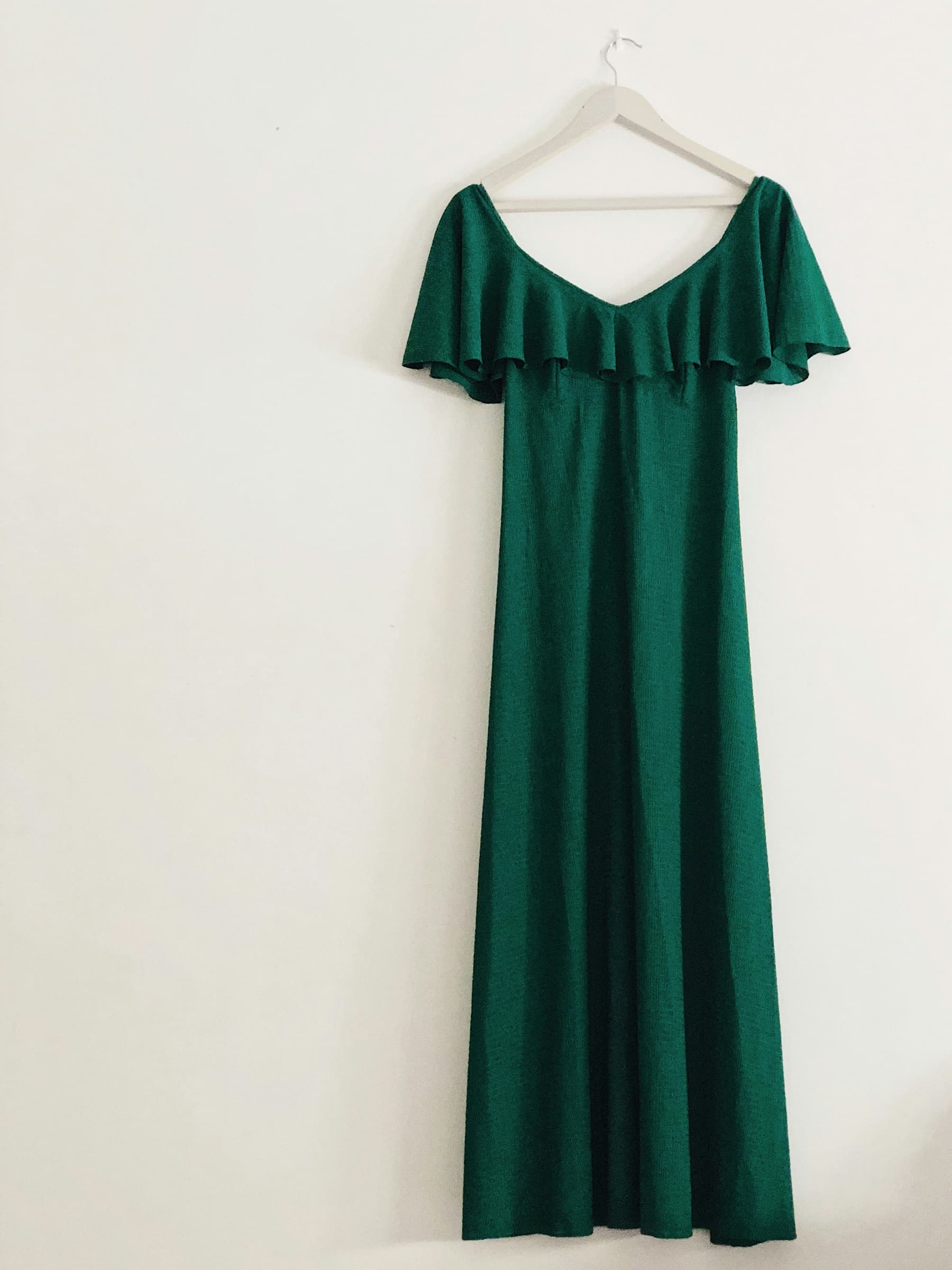
Sell-through, returns and best-seller lists are useful, but they all stop at the till. A dress can sell out, avoid returns and still never leave the hanger.
The question that predicts loyalty is a different one: how often does this piece get worn, and with what? Cost per wear is how your customer judges value, even if they never say it out loud.
How enless does it
Your customers use the enless app to plan outfits from the clothes they own. What they wear, keep and let go becomes anonymised insights in your dashboard, in plain language.
Find out what's already in the wardrobe
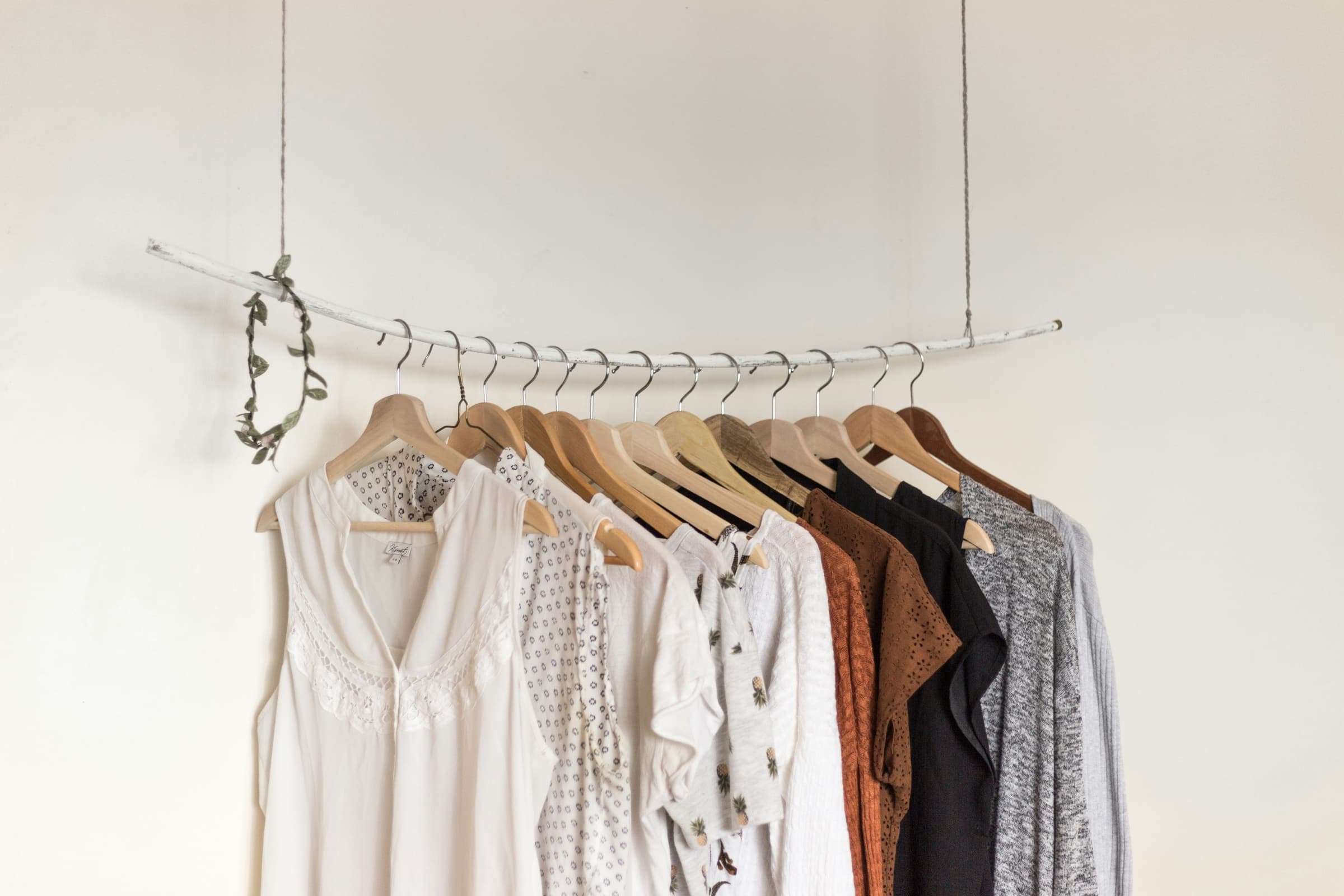
Before you design, ask what your customers already own. If most of them have three black blazers, a fourth one competes with the other three. If nobody owns a good transitional jacket, that's your opening.
- Which categories are crowded, and which are missing?
- Which colours do people keep, and which do they give away?
- Which pieces do they style the most, and with what?
How enless does it
Your dashboard shows which categories your customers own, wear and keep, before you go into production. When a customer's wardrobe is missing something you make, enless suggests your piece in the outfits it builds for them, and you see every impression and click.
Read your returns for reasons, not numbers

A return rate is a number. The reason behind it is the insight you need. "Too small" is a sizing fix. "Didn't go with anything" is a design and styling problem, and no size chart solves it.
Give customers a short list of reasons when they return something, and read them every month. Group them into fit, quality and "didn't work with my wardrobe". Don't miss the last reason.
Ask your customers before you produce
Your customers will tell you what they want, if you ask early enough for it to matter. Show two colourways. Ask which length they'd wear. A short poll before production beats a long sale after it.
How enless does it
Brands on enless can share news, polls, questions and design ideas with the people who follow them in the app. You see the answers as totals, and only once at least three people have answered, so nobody can be singled out.
Stay in the wardrobe after the sale
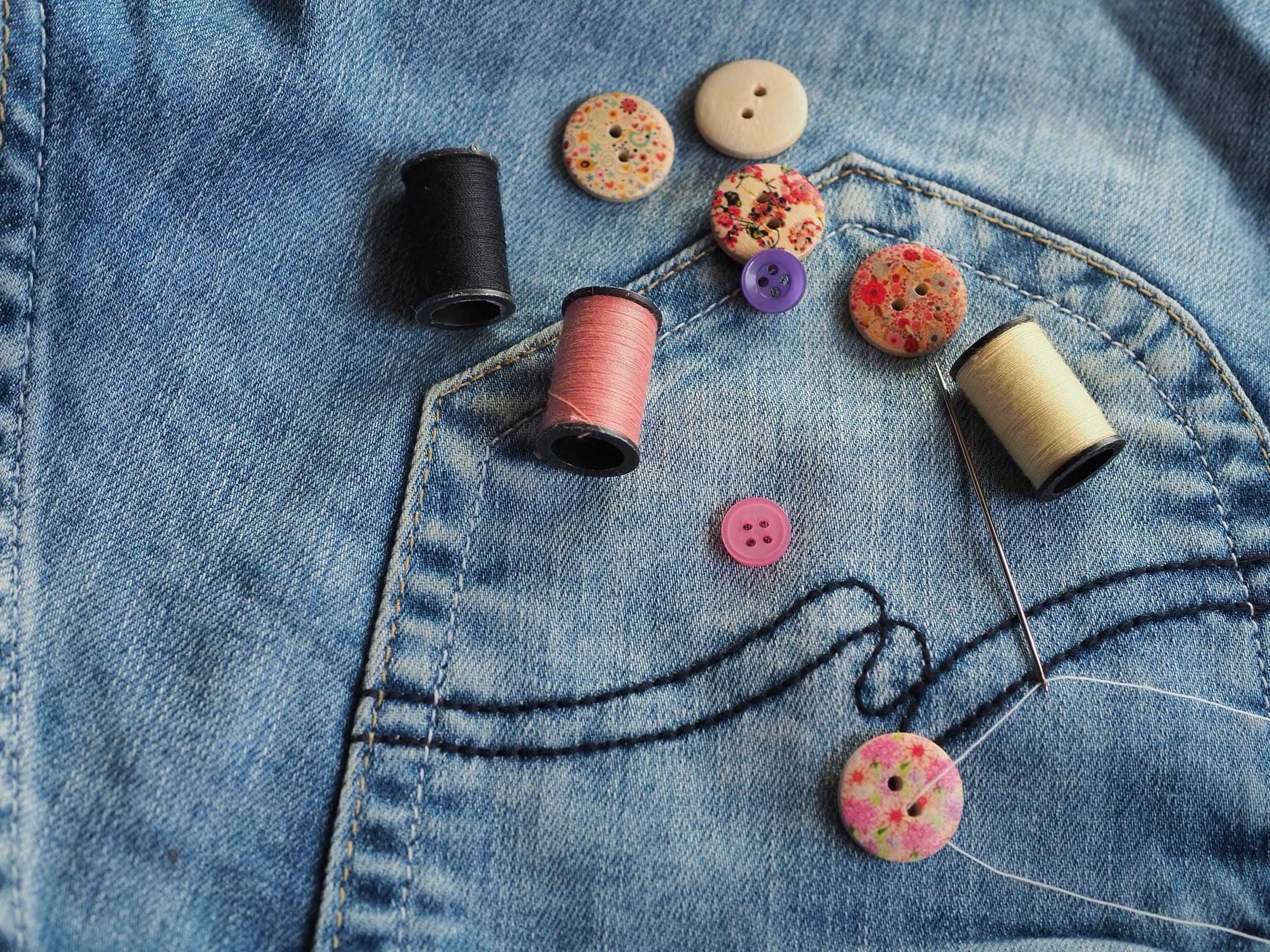
The sale is the start of the relationship, not the end. A customer who knows how to style and care for a piece wears it longer, and remembers who made it.
- Send styling ideas a week after delivery, with pieces they probably own
- Make care instructions easy to find, not just on a label they cut off
- Offer repairs or spare buttons, and say so
How enless does it
Once someone buys your piece, enless keeps styling it with the clothes they already own, matched to their personal style. It gets worn instead of forgotten.
Earn the data with trust

The best insight comes from customers who trust you. People share more when they know what happens to their data. Tell them plainly what you collect and why, and never use it to chase them with ads.
How enless does it
You never see who your customers are. You see totals across them, and we never sell their data. That's also why customers are happy to share what's really in their wardrobes. Read more about how we protect personal data.
Start with one question
You don't need a data team to start. Pick one question for your next collection: what's missing from my customers' wardrobes? Then go and find out.
A collection people wear is good business. It's also the simplest way to waste less.
If you sell on Shopify, you can connect your store in about two minutes. enless is free during beta, with no lock-in. Not on Shopify? Book a short call and we'll set it up with you.