

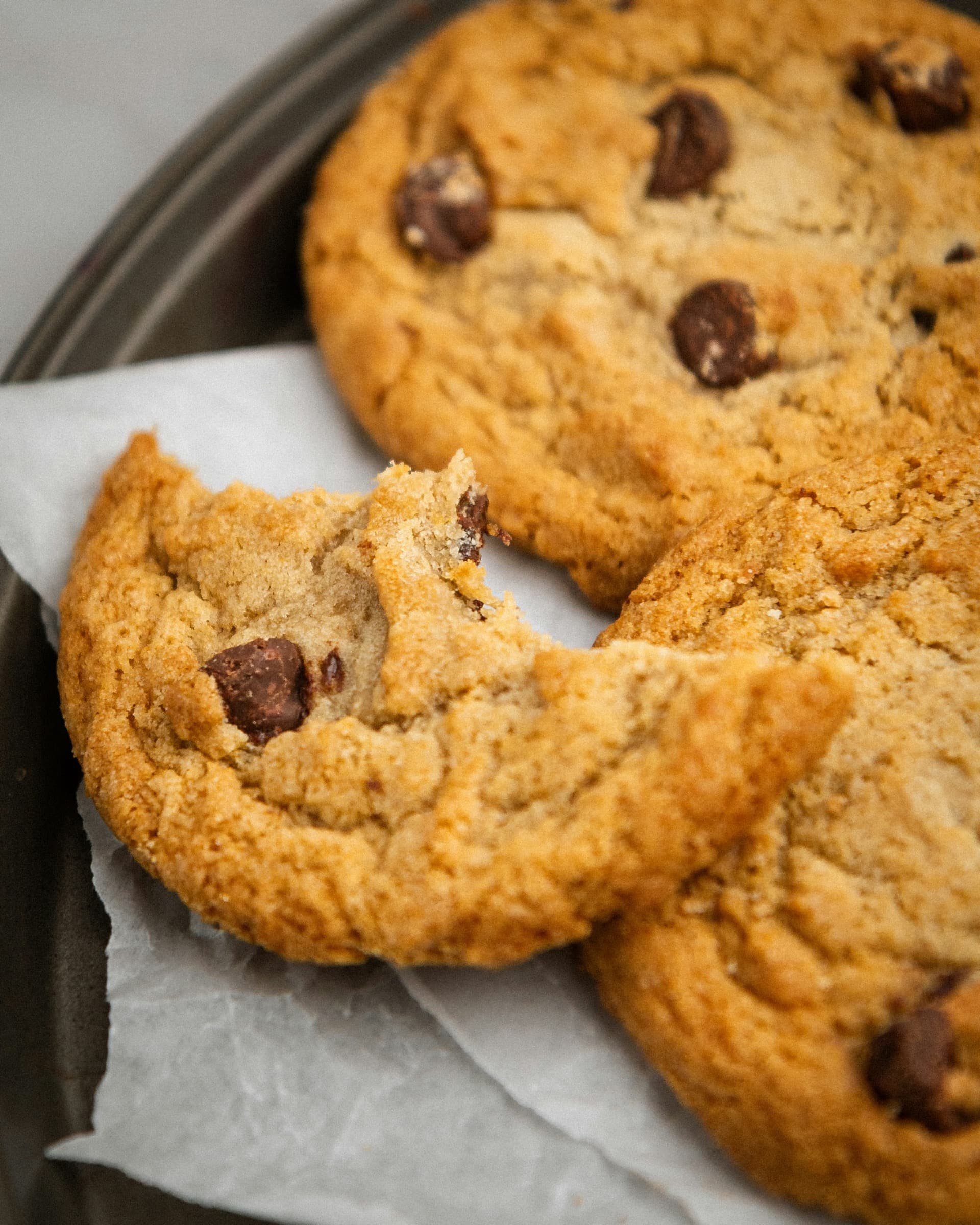
Imagine there is a little girl inside you. Let's call her Lily.
Lily loves cookies. The taste, the smell, the happy little moment when she eats one. But Lily also gets sad sometimes. She gets tired and overwhelmed. Some days she tries so hard to do everything right, and nobody seems to take care of her.
And Lily has discovered something: cookies make her feel better. At least for a while. So whenever she feels sad, bored or stressed, she goes to get one. There's nothing wrong with that. But let's see what happens next.
Why forbidding food makes it louder
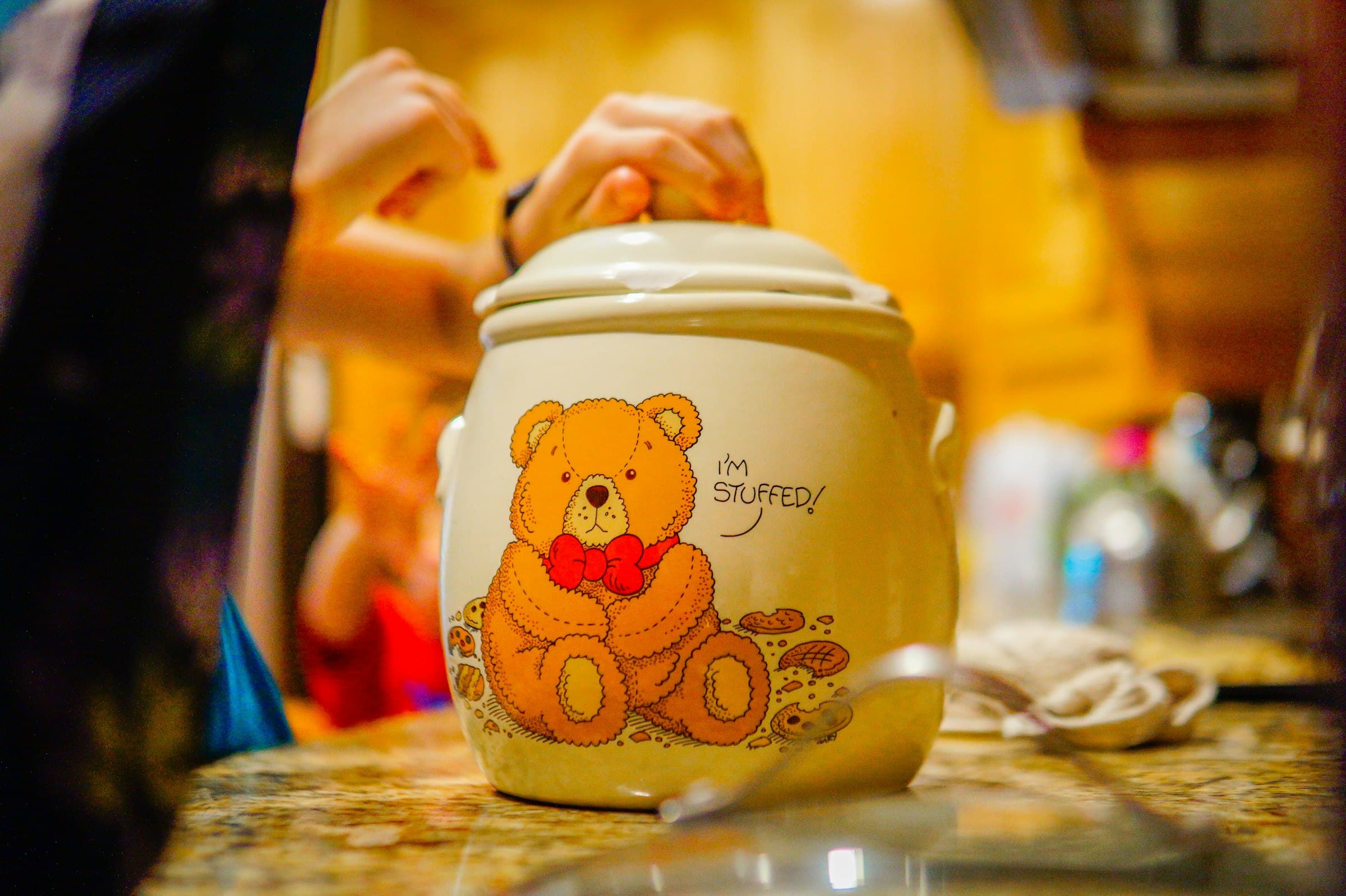
One day you tell her:
"Cookies are bad. You eat too many. Starting tomorrow, no more cookies until you're thin."
What does Lily do? She thinks about cookies all the time. When she wakes up. When she works. When she tries to be good. And because she doesn't know when she's allowed to have them again, cookies become even more special.
Then one day she eats a cookie. And another. And another. And suddenly she thinks: "I've ruined everything. I have no self-control." So she promises to be extra good tomorrow. But tomorrow she's tired again, and the whole circle starts over.
You tried to make cookies less important by forbidding them. Instead you made them more important. Your brain started to treat them like something precious you might lose. Now eating a cookie isn't about the cookie anymore. It's about breaking rules, feeling guilty and worrying about tomorrow.
So here is the first thing to remember: you don't have to be afraid of food to take care of your body. You can eat a cookie, enjoy it and have a normal dinner afterwards. Nothing terrible has happened.
Sometimes it isn't a cookie she wants

Lily comes home after a long day. Her head is full of things she still has to do. She feels a little lonely. She opens the cupboard and takes some chocolate, and for a few minutes she feels happy.
But maybe Lily wasn't only hungry for chocolate. Maybe she wanted someone to say: "You've done enough today. You can rest now." Maybe she wanted to feel safe, to stop thinking for a while, or to have one nice thing in a hard day. She just doesn't know how to ask for those things yet. She only knows that chocolate helps.
Should we take the chocolate away? No. Then she would have one less thing that comforts her, and she'd still be tired and lonely. Instead, we sit down next to her and ask:
"Would you like some chocolate? Of course. And would you also like a hug? A rest? Would you like to tell me what's wrong?"
This is how the emotional grip of food starts to loosen. Not by taking comfort away, but by adding more ways to feel better. Some days Lily will still choose chocolate. That's fine. She doesn't have to choose perfectly every time.
Your body doesn't need punishment
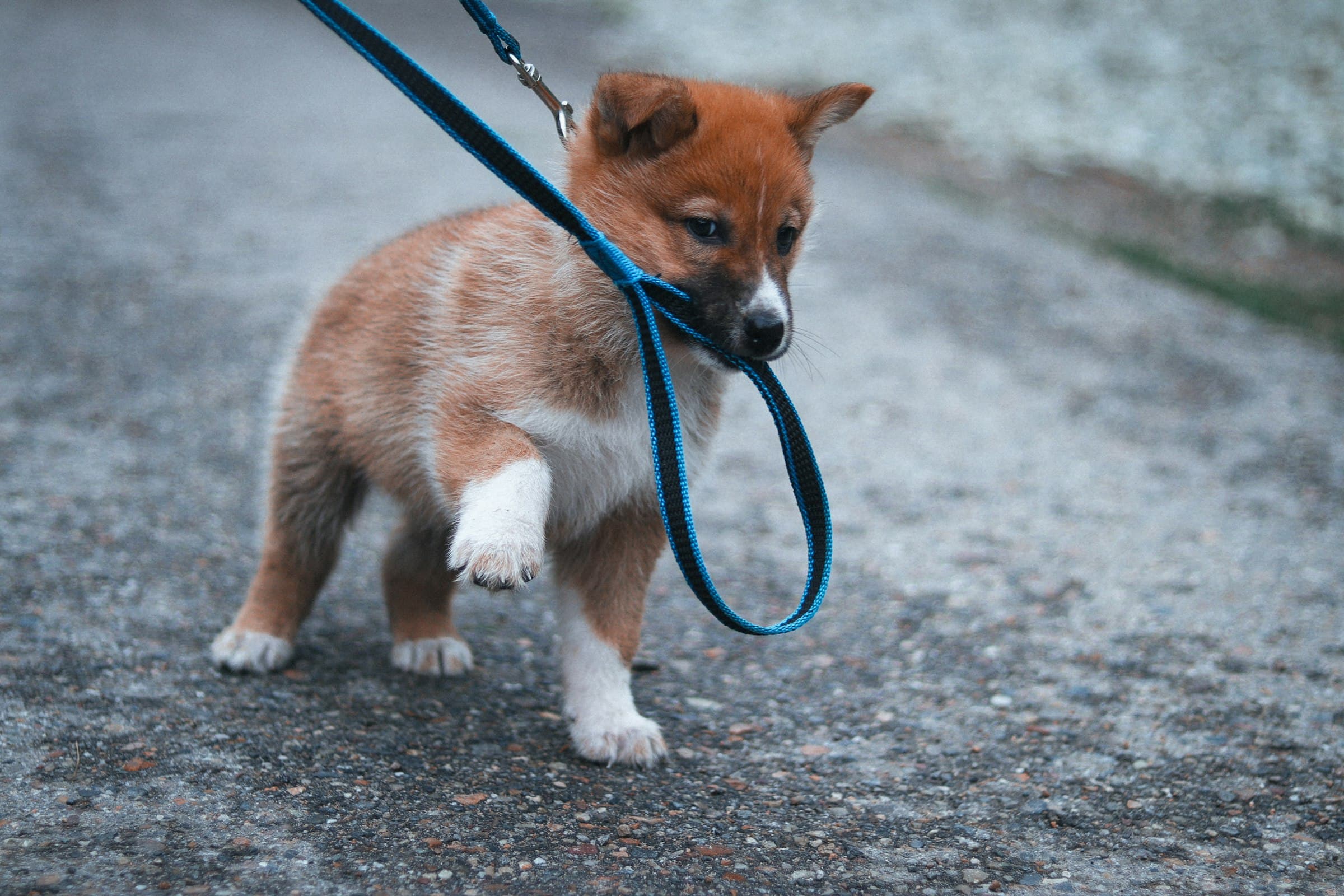
Imagine you're teaching a puppy to walk on a lead. Sometimes it pulls. Sometimes it gets distracted. Would you shout at it all day, "Bad puppy, you'll never learn"? Probably not. You'd be patient and make it easy to get right.
But with our own bodies, we say things like:
- Why can't I just stop eating?
- Why can't I lose weight?
- What's wrong with me?
Your body isn't misbehaving. Your brain is juggling hunger, pleasure, emotions, habits, stress and energy all at once. Some of the strategies you learned along the way just don't help you anymore. That doesn't mean you're broken. It means you have something new to learn.
And you'll learn it much more easily once you stop treating yourself like someone who needs to be punished. You can't teach yourself to feel safe by making yourself feel bad.
Don't wait for your goal weight to live
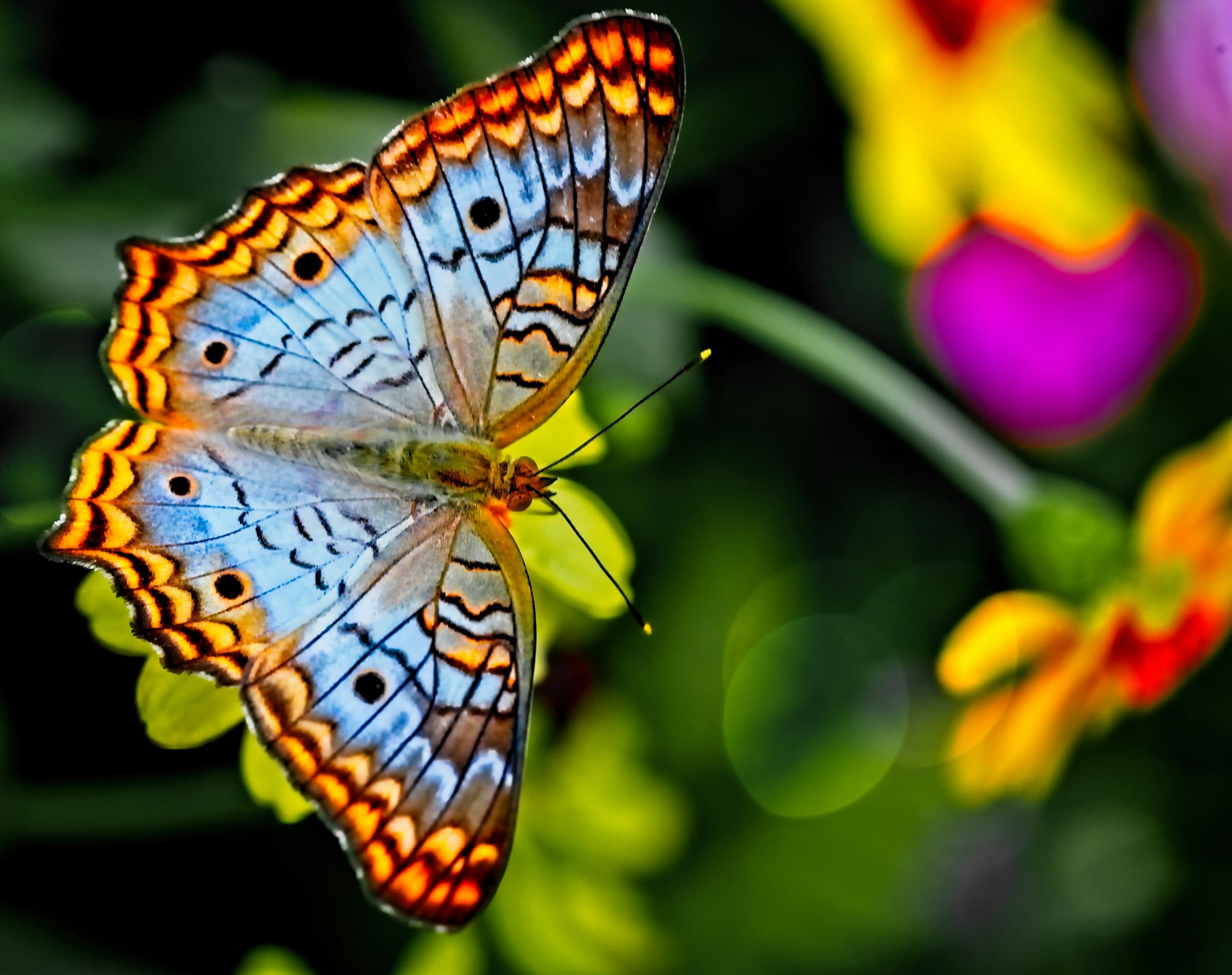
Lily has a little garden. "When my flowers grow," she says, "I'll be happy." A week later they're a bit taller. "Not enough yet." So she spends the whole spring staring at the soil, while the sun shines, the birds sing and butterflies land right next to her.
Your weight can become those flowers:
- When I lose the weight, I'll feel beautiful
- When I lose the weight, I'll wear the clothes I want
- When I lose the weight, I'll finally feel in control
Many of us have a whole rail of these promises in the wardrobe: the jeans for "one day", the dress with the tag still on. Every morning they quietly say "not yet". Meanwhile the clothes that fit you today are pushed to the back, because they don't feel like they count.
What if they did count? What if you wore something beautiful this week, in the body you have right now? Clothes that fit and feel soft on your skin are one of the simplest ways to feel at home in your body, and you don't have to earn them first.
You can still want your flowers to grow. You don't have to stop caring about your weight. But you don't have to miss the sunshine while you wait. Your life doesn't begin at your goal weight. It's happening now.
How enless does it
enless builds outfits from the clothes you already own, so the pieces that fit you today get to be the stars. Each morning it asks how you feel and suggests outfits for that mood. If you'd like to sort the "one day" rail kindly, this guide walks you through it.
Change doesn't need perfection
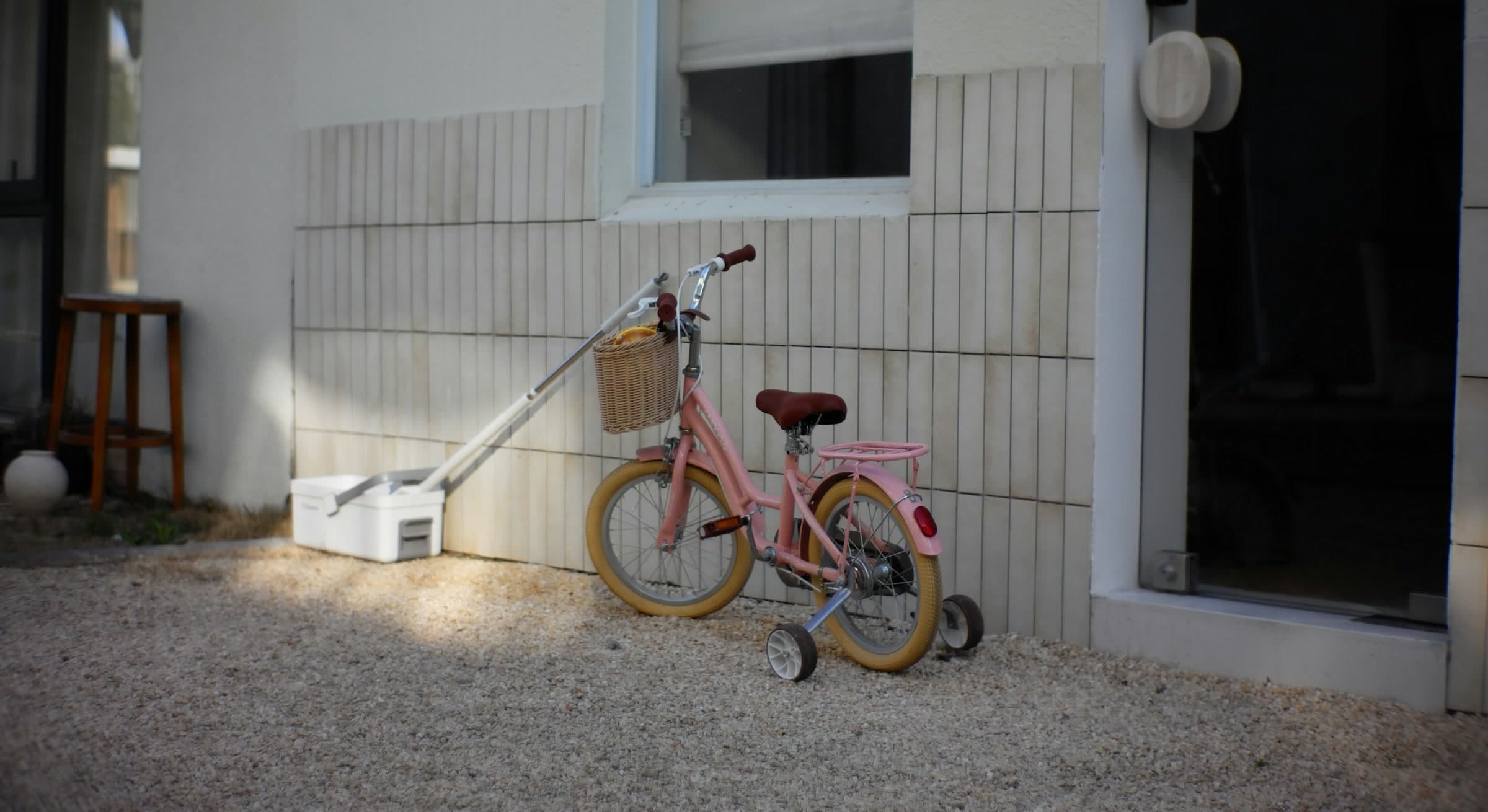
Imagine teaching Lily to ride a bicycle. You could say:
"Ride perfectly every day. If you fall, you've failed. Tomorrow, try twice as hard."
Or you could say:
"Let's learn. Some days will be easy, some hard. If you fall, we'll get back on when you're ready."
Which Lily keeps learning? The second one. Learning doesn't need perfection. It needs the ability to continue after things go wrong.
Eating works the same way. You don't need to eat perfectly to take care of your body. You need a way of eating that nourishes you and fits your real life. Ate more than you planned? You don't need to skip breakfast tomorrow. Want cake? You're not bad. The scale didn't move? You don't need to eat less and less. If your approach isn't working, change the approach. You are not the problem.
Weight depends on many things, not only your choices, and no result is guaranteed. But being kinder to yourself and eating more steadily can get you out of the exhausting loop of restriction and guilt.
Three questions for tomorrow
Don't wake up tomorrow thinking "Today I must be good. Today I must control myself." Instead, imagine you're looking after Lily, and ask yourself just three questions:
- When I'm hungry: how can I feed myself properly? Don't go hungry to prove you're strong.
- When I'm upset and want to eat: what else might help me feel better? Eat if you want to, and maybe also rest, take a walk or call someone.
- When I make a choice I don't like: how can I help myself now? No shouting, no starting over on Monday. Just the next kind, sensible choice.
That's all. You don't have to fix your whole relationship with food tomorrow. You only have to start treating yourself like someone you love.
What would you say to her?
Imagine Lily comes to you crying: "I'm trying so hard. I want to lose weight, but I keep eating things I don't want to eat. Why can't I get it right?"
Would you tell her she's weak? That she doesn't deserve nice things until she's thinner? Or would you hold her and say:
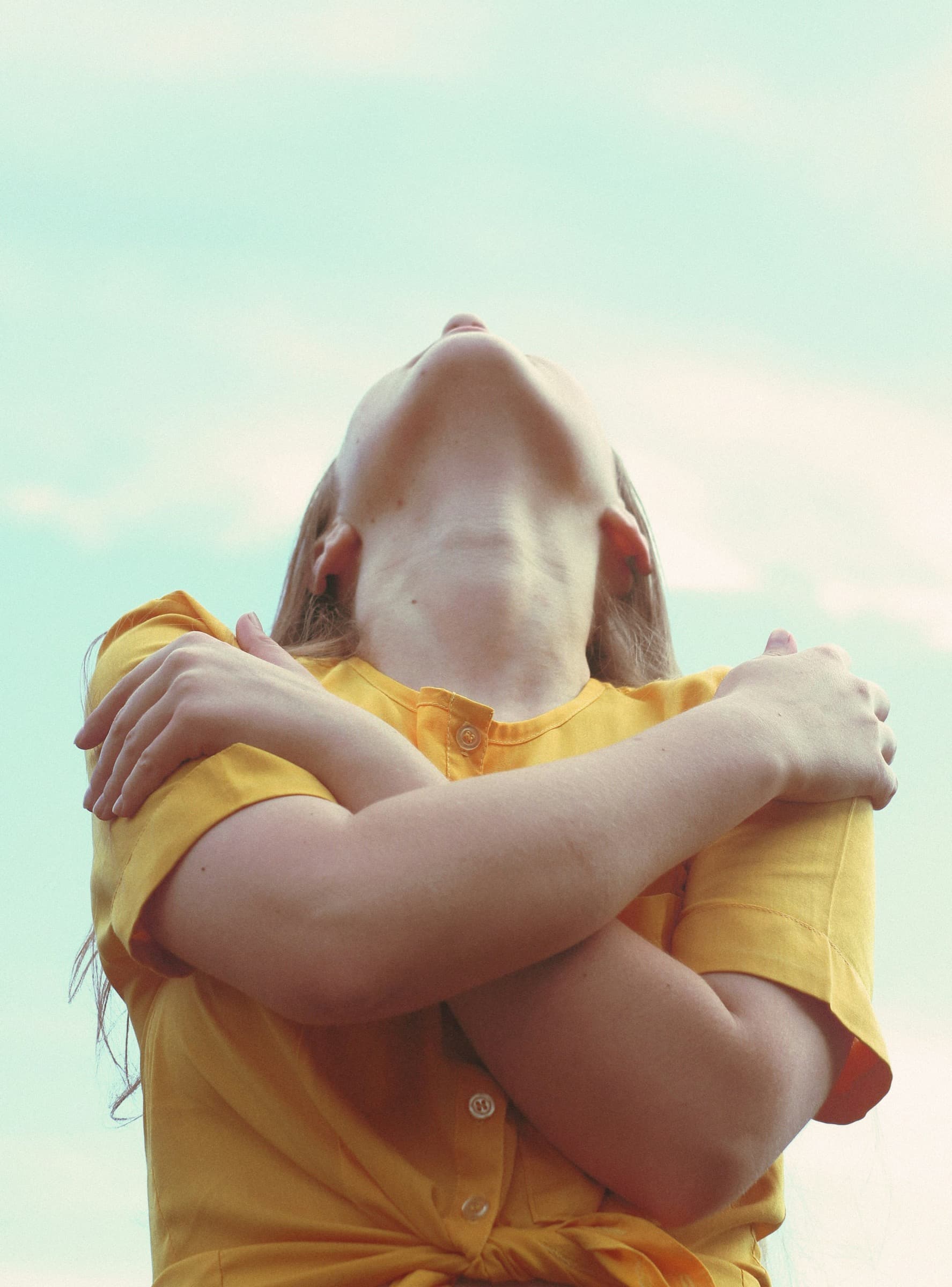
"You don't have to fight yourself all day. We're going to learn how to take care of you. You can enjoy food. You can make changes. You can make mistakes. And I won't stop loving you because of any of it."
That's the relationship with yourself worth building. Not one where you give up on your health, but one where you no longer need to hurt yourself to pursue it. Next time you stand in front of the fridge feeling guilty before you've eaten anything, remember:
I am allowed to eat. I am allowed to enjoy food. I am allowed to take care of my body. I don't have to punish myself to change.
You're not trying to defeat the little girl who wants cookies. You're helping her feel so safe and cared for that she no longer needs cookies to solve every hard feeling. You can start today.
If this helped, share it with someone who's been fighting themselves for too long. And if food feels out of control, or you're eating very little, please talk to your doctor or an eating disorder specialist. Asking for help is a way of taking care of Lily too.