

Some days you could build the whole company before lunch. Other days you can't get off the sofa.
A few weeks ago I had three days in a row where everything worked. I had just watched an inspiring seminar, I was full of ideas and I got more done than in the whole week before. By the third evening I felt a bit overwhelmed, but I still wanted to do more. My body was tired and my head would not switch off.
The next morning I woke up and wanted to sleep forever. Then something sad happened: I was house-sitting, and the rabbit I was looking after died. I had to bury him. I didn't want to talk to anyone. I snapped at my partner on the phone. And a small voice in my head started asking: is enless even a good idea? Am I good enough for this?
Honestly, is this not like a super insane story? Wouldn't have believed it if I haven't lived it...
If you're a founder, or anyone trying to build something big, I think you know this swing. Here is what I learned about it, and what I do differently now.
Why your energy goes up and down

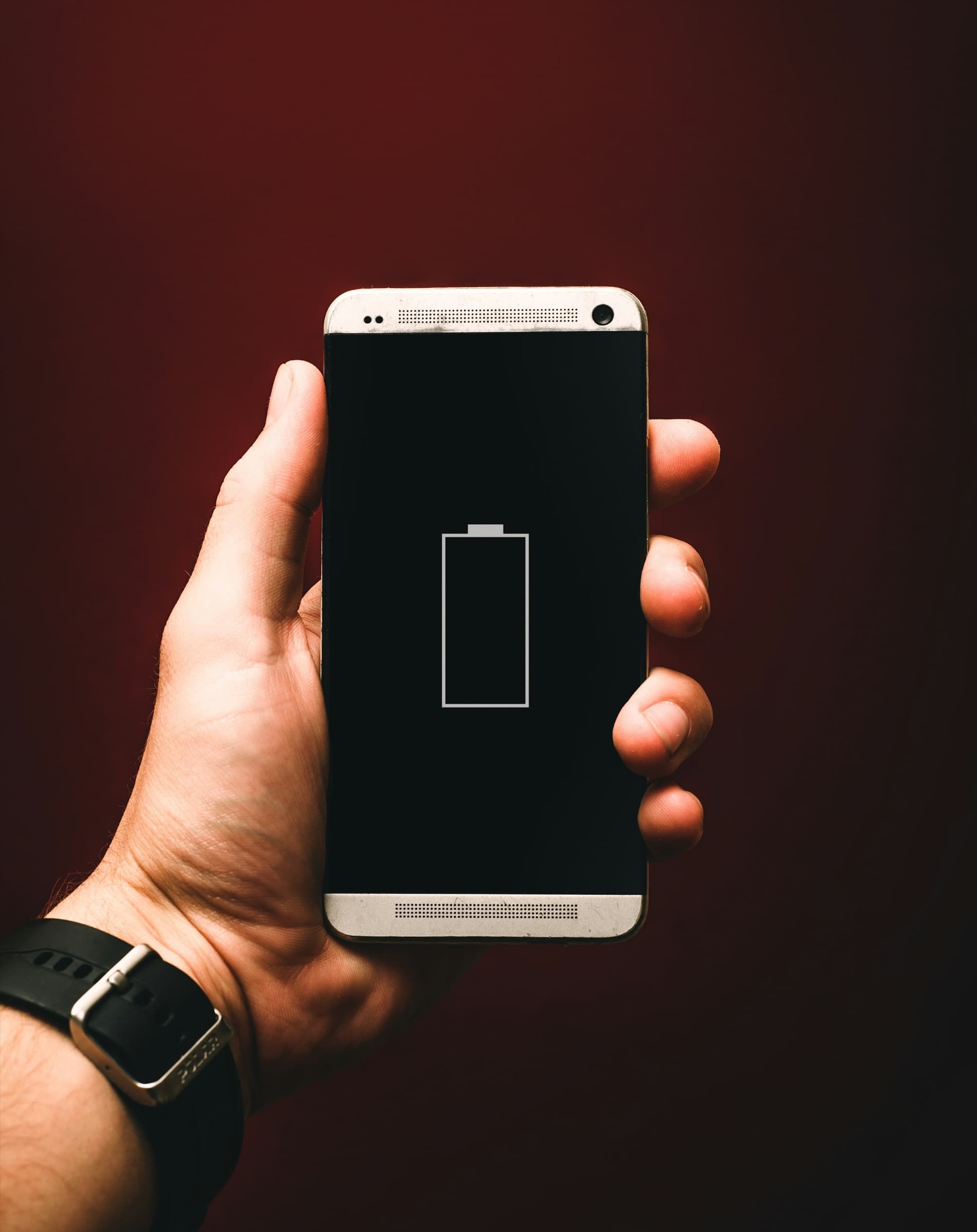
Think of your energy like the battery on your phone. On an exciting day you run every app at full brightness. It feels amazing. But the battery doesn't care how exciting the apps are. At some point it hits zero, and the phone switches off, usually at the worst moment.
That's what was happening to me. Not a lack of discipline, but my body swinging between "switched on" and "run out". When I'm inspired, I push very hard. Then my body says enough, and it says it louder when something sad or stressful lands on top.
Lots of things can make the swing bigger: too little sleep, stress, hormones, a hard conversation, a loss. The low day isn't a sign that something is wrong with you. Very often it's the bill for the high days.
One honest note: if your swings are very strong, last for weeks or scare you, please talk to a doctor. This article is about everyday ups and downs, not a diagnosis.
Your best day isn't the real you
Here is the trap many high achievers fall into. We think the person on the best day is the "real" us. The productive one, the confident one, the one who answers every email. And the tired person on the sofa is a problem we need to fix as fast as possible.
So on a low day we don't only feel tired. We feel like we're failing. A quiet voice says: "You're not doing enough. You should be further by now. Do more." And because we never feel good enough, we never let ourselves rest.
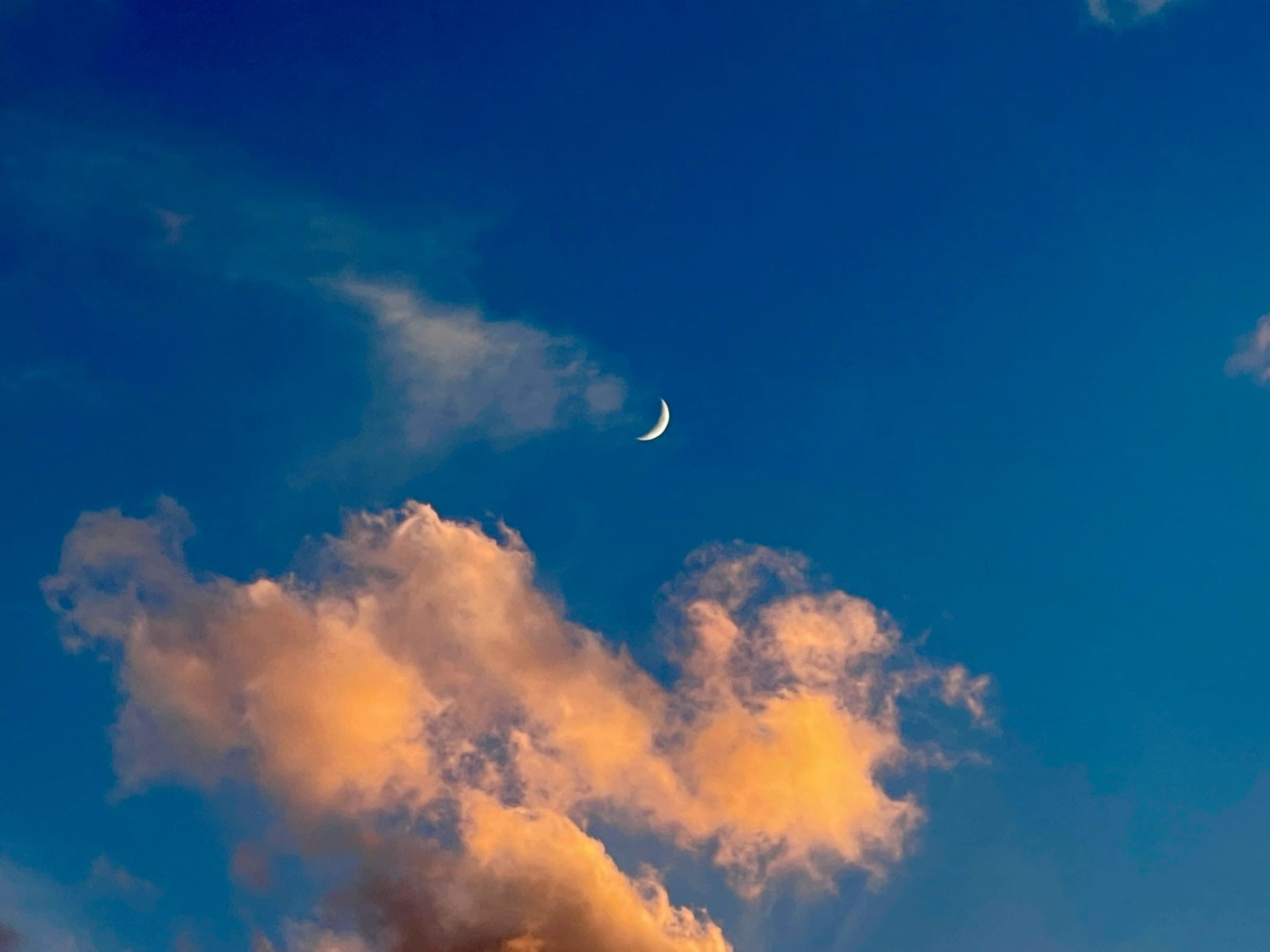
But the moon is still the moon when it's only a thin line in the sky. Both days are you. Your goal isn't to be the high-energy version every day. It's to build a life, and a company, that still works on both kinds of days.
You don't need to get back to the person you were yesterday. She's still you. Today is simply a day to take care of her.
A feeling is not an order
The best version of you doesn't feel less. She has just learned that not every feeling is an order. Excitement says "keep going, solve everything, make money, be unique." Tiredness says "I can't deal with anything." Both are loud and neither one is the boss.
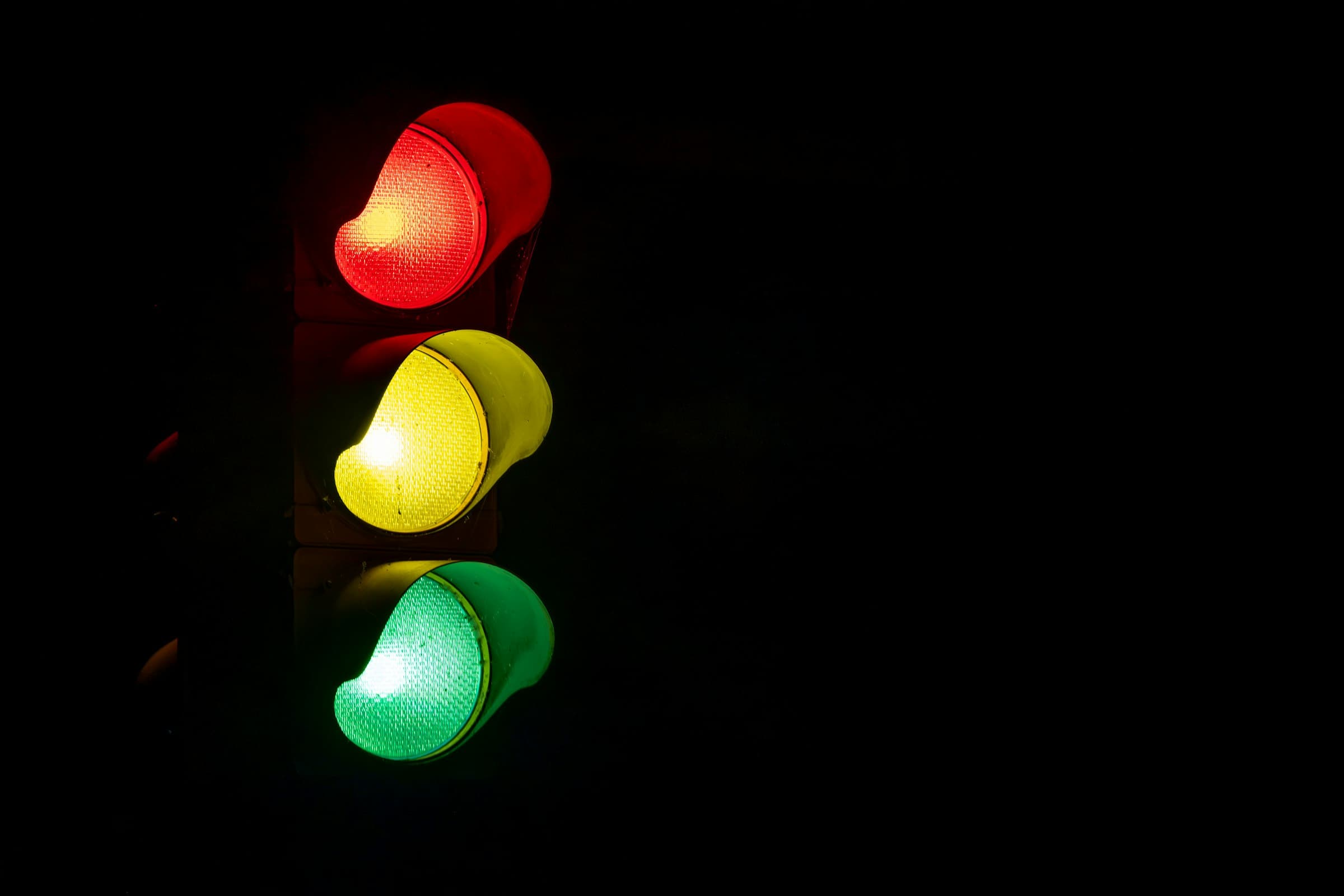
Think of a traffic light. A feeling tells you what colour the light is. You still decide whether to drive. Here is how that looks in real life:
- When you're on fire: You keep pushing because you finally have energy. The best version of you writes the ideas down, picks one or two, and stops on purpose.
- When you're overwhelmed: You try to think your way out of it, or ask someone to fix it for you. The best version of you calms her body first, then decides what really needs solving.
- When your confidence disappears: You question your company, yourself and your whole future. The best version of you makes no big decisions that day.
That last one is my favourite. On a low day, I tell myself:
My confidence is low today. That doesn't mean my vision is wrong.
On big days, stop before you're empty
This one sounds strange to ambitious people: the best time to stop is when you still want to keep going. If you only stop when the battery is empty, you'll spend the next day charging.
On a big day, try this:
- Keep a notebook open and catch every idea there, instead of acting on all of them
- Pick one or two things that really matter and finish those
- Set an end time, and stop when it comes, even if you're flying
- Spend the last ten minutes writing down where to start tomorrow
Your goal is energy you can keep, not the most work in one day. And when your head is still racing at night, remind yourself: I don't need to solve my whole future tonight.
On empty days, come down, don't catch up

On an empty day, the voice says: "You lost a whole day. Catch up!" Don't listen. Your job today is to come down, not to catch up.
- Eat something proper
- Take a shower or a bath
- Breathe slowly for a few minutes
- Go for a short walk if it feels good
- Write down what you're feeling, without fixing it
- Go to bed early
Then tomorrow, choose one important thing. Not ten. The day after a low day is not the day to prove anything.
And don't judge your life from the sofa. A tired brain is a terrible judge. It will tell you the idea is bad, the people around you don't care and you're not made for this. None of that is news. It's just tiredness talking.
Where we can help
In the Founders Circle you'll meet people who know the swing from the inside. Saying "I've had a rough week" out loud to people who get it makes the low days much lighter.
When someone else has your idea
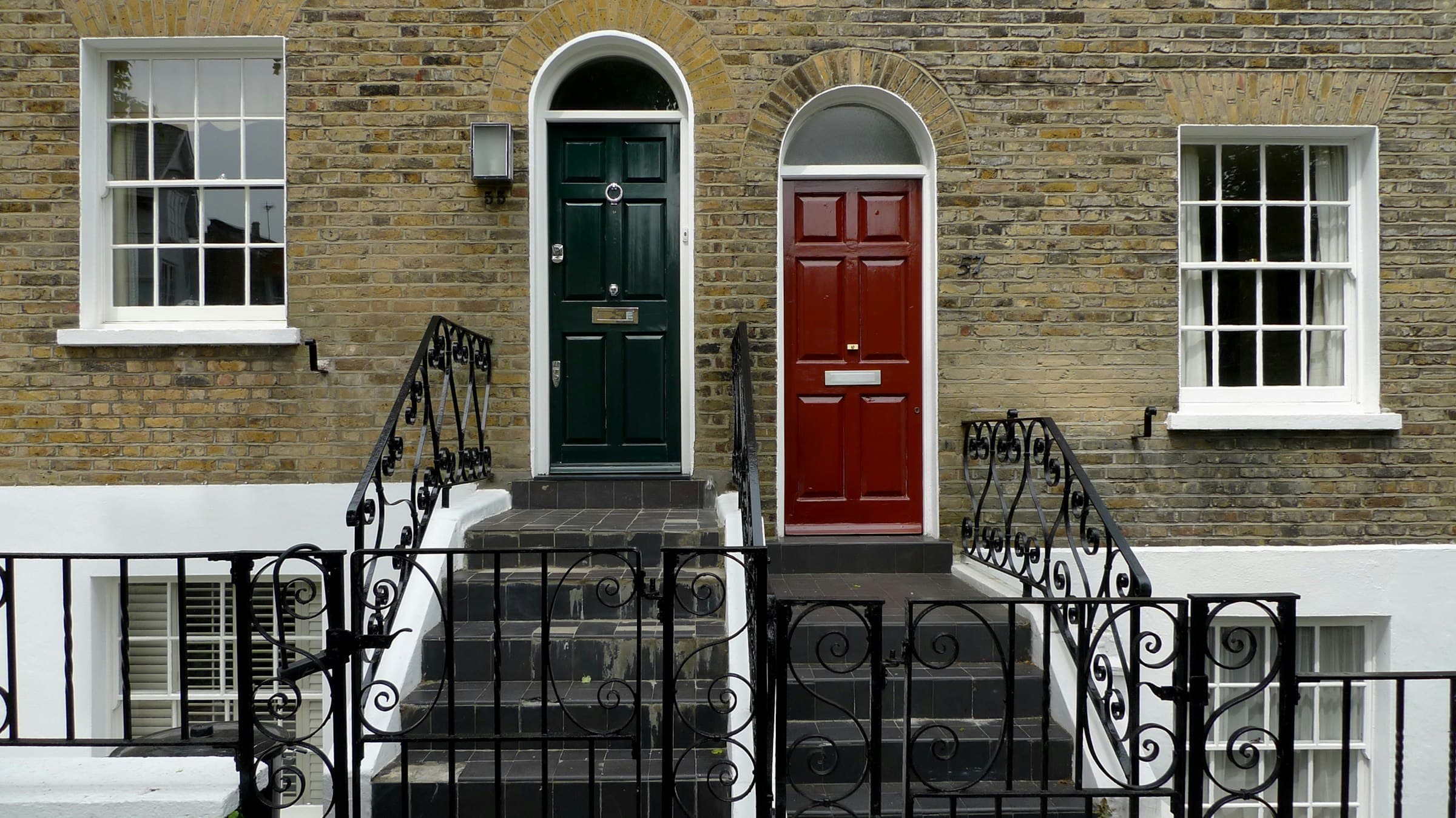
You're scrolling, and there it is: someone doing something that looks a lot like your idea. Your stomach drops. Your mind doesn't think "competition". It thinks "maybe I'm not special, maybe my idea isn't good enough, maybe I'm too late."
It happens to me too. But being unique doesn't mean nobody has ever had a similar thought. Almost every good business has competitors. Two houses can have the same shape and still have completely different doors. What makes you unique is your combination: the problem you choose, the people you serve, the promise you make and how it feels to use what you build.
So when you see something similar, swap the thought:
- Old thought: Someone is already doing it, so my idea isn't unique.
- New thought: Someone just proved this problem is real. What's my unmistakable version of it?
And never answer that question at 11pm when you're tired. Write the observation down, sleep, and look at it again tomorrow from a calmer place.
Where we can help
In a coaching session we look at the companies that worry you together, and find out what makes your version different. Usually it's more than you think.
Ask for the closeness you can hold

Here's one nobody talks about. On hard days you might miss the people you love, and at the same time feel too full to talk to them. So you call your partner or a friend because you miss them, and five minutes later you're annoyed. Then old things you never said come out, and you end up in a fight you didn't want.
The best version of you notices what's going on: "I want to feel close, but I don't have space for a long conversation right now." And then she says exactly that:
"I miss you. I don't want to talk much tonight. I just want to feel close to you."
Maybe that's a quiet video call while you both read. Maybe a voice message. Maybe a hug, if they're near. The bigger things you need to talk about can wait for a day when you have the energy for them. They deserve that.
One sentence to keep
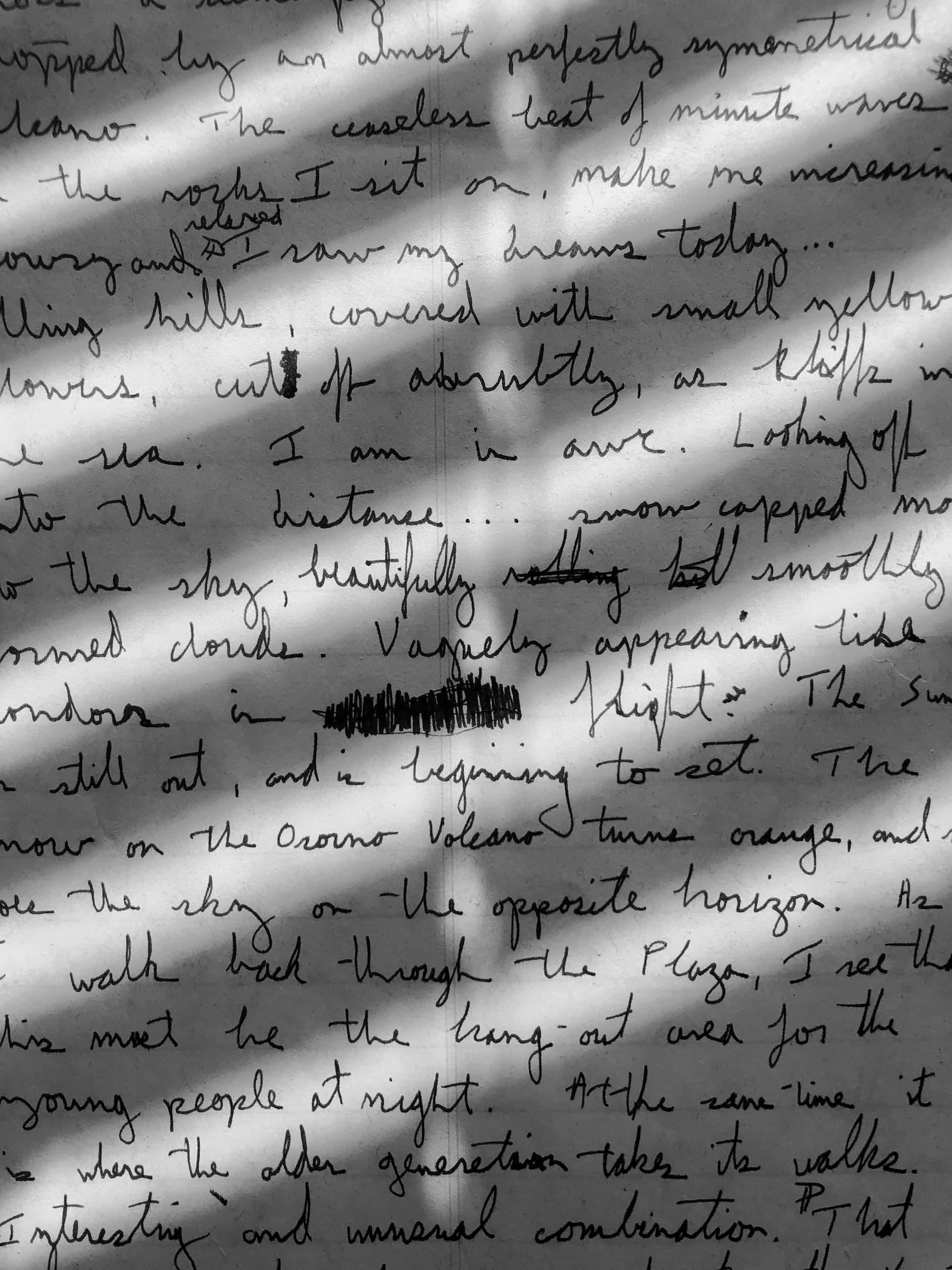
If you only take one thing from this article, take this sentence. Write it somewhere you'll see it on both kinds of days:
I don't have to follow every impulse. I can be excited without acting, anxious without solving and tired without fixing myself.
Confidence doesn't have to mean "I know this will work". It can simply mean: "I believe in my vision enough to keep exploring it, even when I find things that challenge me." That's a much stronger kind of confidence, because a bad day can't take it away.
You are already enough to build what you're building. You just need to build it in a way you can keep up. If this sounded familiar, share it with a founder friend. And if you'd like someone in your corner, tell me where you're at.